What to do in the first week after listing a car for sale
01Why does the first week matter so much?
A fresh listing shows up as new. Shoppers looking for that model see it in the first few days, and many of them have been browsing for a while: they compare fast and decide fast.
If their messages get slow replies, missing details, or no easy way to see the car, they move on to the next one. After that, the listing slides down and it takes more effort to win attention back.
So the first week is not for waiting. It is for answering well, showing the car, and collecting the information that tells you whether the listing works or needs changes.
02What to have ready before the first message
Most first questions are the same. With the answers at hand, you reply in a minute instead of an hour.
- A full spec sheet: year, trim, mileage, fuel type, transmission, color, number of owners, and title status.
- Service records in order, with dates and mileage for the last few services. A photo of each receipt works.
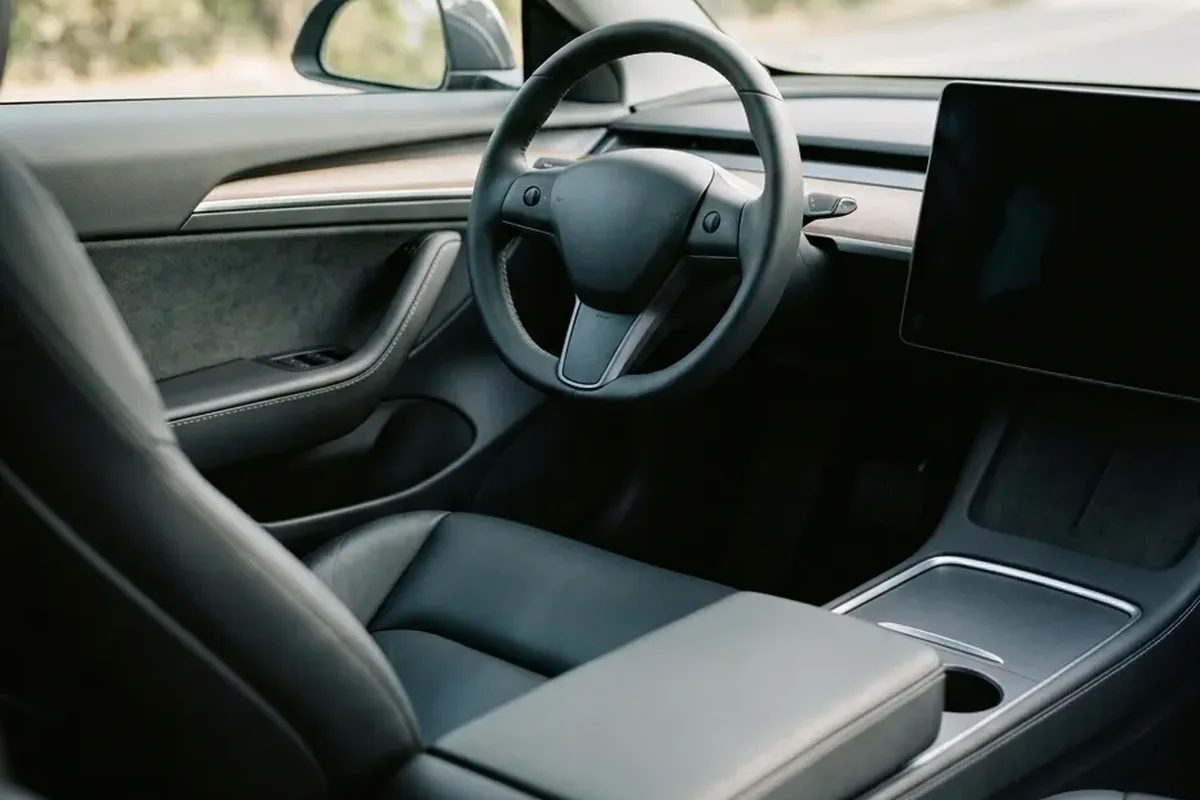
- Extra photos that are not in the listing: dashboard with the engine on, tires, trunk, engine bay, and any detail you plan to mention.
- A short video walking around the car with the engine running. After the price, it is the thing people ask for most.
- Specific times you can show the car this week, already decided.
- Your price position: how much room you have to negotiate, whether you take trade-ins, and which payment methods you accept.
03Day by day: a plan for the first seven days
| Day | What to do | Why |
|---|---|---|
| 1 | Post, check the listing on your phone, and share it on your social accounts | Catch mistakes and add reach from the start |
| 2 | Reply to everything the same day and log each inquiry | Keep the most serious buyers |
| 3 | Post a story or a short video of the car | Remind people it is available in a different format |
| 4 | Follow up with people who asked and went quiet | Win back buyers who cooled off |
| 5 | Group showings into one or two time blocks | Save time and create a sense of demand |
| 6 | Show the car and write down every objection | Learn what is holding buyers back |
| 7 | Review your numbers and decide whether to change anything | Adjust based on data, not nerves |
You do not have to follow it to the letter, but having an order keeps the important things from slipping once messages start coming in.
04How should you answer the first inquiries?
Speed matters, but so does what you say. A plain "yes, still available" just makes the buyer ask the next question. Each reply should move things one step forward.
Confirm the car is available and repeat the key facts: year, trim, and mileage.
Answer exactly what they asked, even if it is the price. Dodging the question breeds distrust.
Add one detail that helps: a recent service, new tires, one owner, whatever is true and relevant.
Suggest a specific time to see it instead of "whenever works for you."
Note who they are and what they asked, so you can pick the conversation back up if they go quiet.
- First reply: "Hi, yes, it is still available. It is a [year] [trim] with [mileage] miles, last serviced at [mileage]. Would [day] at [time] work for you to see it?"
- If they ask about price: "The price is [price]. That includes [detail: clean title, paperwork ready, etc.]. Want me to send a video of the engine running?"
- Follow-up: "Hi, following up on the [model] you asked about. It is still available and I am showing it on [day]. Should I save you a time?"
05What to look at at the end of the week
On day seven, count before you change anything. You need three simple numbers: how many inquiries came in, how many people asked to see the car, and how many actually showed up. That tells you what is going on.
- Lots of views, few inquiries: the listing reaches people, but something does not land. Usually it is the cover photo, the headline, or a price that is hard to read.
- Lots of inquiries, few showings: the interest is there, but something breaks down in the conversation. Check your response times and whether you offer specific times.
- Showings, no offers: the car in person does not match what the buyer expected, or the price feels high next to what they saw. The objections you logged tell you which one.
- Almost no activity: first make sure the listing is in the right category and the photos look good on a phone, then look at the price.
06When should you change the price?
Dropping the price is the first thing that comes to mind, and it should almost never be the first thing you do. In week one, change what costs you nothing: the cover photo, the photo order, the headline, and the details in the description.
If inquiries still do not come after those changes, compare your car with others of the same year, trim, and similar mileage on the listing sites. If you are clearly above them with no visible reason, like better equipment or fewer miles, that is the adjustment to make. Do it once, with a clear number, not in small repeated cuts that make buyers think something is wrong with the car.
07Common first-week mistakes
- Posting and never checking the listing on a phone, where most buyers see it.
- Taking hours to reply because you will "answer everything later."
- Dodging the price when someone asks for it directly.
- Agreeing to showings with no set time and losing whole afternoons waiting for no-shows.
- Cutting the price on day three because the phone did not ring.
- Not writing down objections from people who saw the car, and repeating the same issue with the next buyer.
Before you list your next car, get the spec sheet, the video, and your showing times ready. On day seven, count inquiries and showings before you change anything.